Smart Agricultural
Overview
Modern agriculture faces a combination of labour shortages, climate variability, and increasing expectations for efficiency and traceability. Smart farming addresses these challenges by shifting field operations toward electrified equipment, structured data collection, and more automated workflows—aimed at delivering consistent results rather than relying on ad-hoc manual practices.
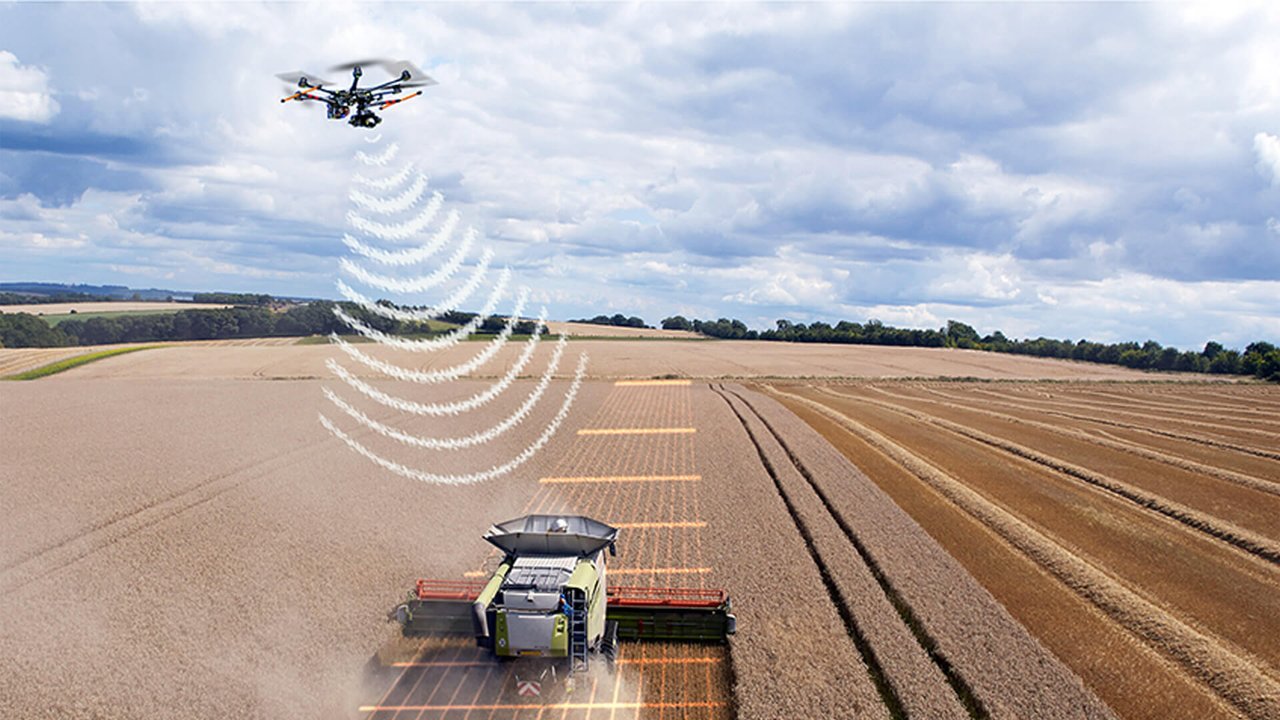
Leveraging China’s NEV and intelligent-equipment ecosystem, Sunway works with partners who adapt electric drivetrains, sensing systems, and control technologies for agricultural machinery. This includes electric or hybrid platforms, guidance and autonomy modules, and digital tools that translate agronomic plans into practical, season-long operations.
In practice, progress requires more than upgrading a single machine—it depends on an operating system that aligns equipment choices, sensing arrangements, data flows, and local energy conditions. Sunway helps coordinate cross-party design and sourcing so these elements fit together from the outset.
Implementation is structured around real operating needs. Technology iteration often moves quickly with China-based suppliers, while local partners provide land access, operator training, cooperative engagement, service capacity, and daily continuity.
Industry Resources / Partners
Electric & intelligent agricultural machinery OEMs
Suppliers of electric or hybrid tractors, sprayers, harvesters, and orchard equipment designed for consistent field operations.
Autonomy and guidance retrofits
GNSS/RTK guidance systems, perception modules, and autonomy kits that can upgrade machinery for supervised or unmanned work.
Sensing, IoT, and edge–cloud platforms
Soil and micro-climate sensors, telematics, edge gateways, and connectivity integrated with farm-management platforms for scheduling, tracking, and operational oversight.
AI and decision-support capabilities
Tools for yield forecasting, prescription mapping, anomaly detection, and route optimisation using historical and real-time data.
On-site energy and charging infrastructure
Solar-plus-storage, microgrids, and charging setups designed for reliable use in remote fields.
Cases Study
In the East Asian market, a national research institute and local authorities aimed to build an unmanned, data-enabled grain production base. The initiative faced labor shortages, inconsistent field execution, and limited visibility into soil conditions and input use—alongside a policy interest in low-carbon, digitally managed farming.
A deployment in this scenario can be designed as a coordinated pilot that combining electric-capable machinery, multi-source field sensing, and a scheduling layer that records operations. Telemetry, positioning data, and field sensors feed an edge–cloud system for task assignment, route planning, and operational logging.
To keep the pilot project over a season, power supply and charging are treated as part of the operating design. With local partners managing daily farming operations and stakeholder engagement, the project can move beyond a demonstration and become a reference model for broader adoption.